
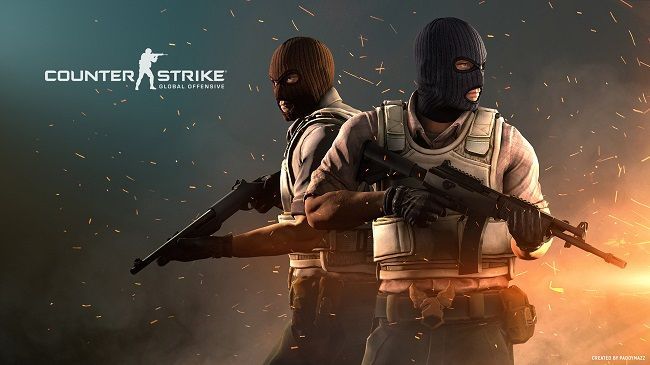
Counter-Strike is one of the most influential and longest-running esports titles in gaming history. From its humble beginnings as a community-made mod to becoming a global competitive phenomenon, Counter-Strike has shaped the foundation of modern esports. Even decades after its release, the franchise continues to dominate the competitive shooter genre and attract millions of players and viewers worldwide.
🎮 Origins of Counter-Strike
Counter-Strike was first released in 1999 as a mod for Half-Life, created by Minh “Gooseman” Le and Jess Cliffe. The game quickly gained popularity due to its realistic gunplay, team-based mechanics, and emphasis on strategy rather than flashy abilities.
Key elements that made Counter-Strike unique:
- Objective-based gameplay (bomb defusal & hostage rescue)
- High skill ceiling and precision shooting
- Strong emphasis on teamwork and communication
- Competitive balance and fairness
Its simplicity and competitive depth helped it grow rapidly in LAN cafés and early online communities.
🌍 Growth of Counter-Strike as an Esport
In the early 2000s, Counter-Strike became a core title in international tournaments such as the Cyberathlete Professional League (CPL) and World Cyber Games (WCG). With the release of Counter-Strike 1.6 and later CS: Global Offensive (CS:GO), the competitive scene expanded massively.
Major milestones include:
- Formation of professional teams and organizations
- International tournaments with large prize pools
- Dedicated fanbase and global rivalries
- Valve-sponsored Major Championships
Counter-Strike helped define what professional esports competition looks like today.https://fun.webnewsarticle.com/
🏆 Competitive Scene and Global Tournaments
Counter-Strike esports features some of the most prestigious tournaments in gaming. Events like the CS Majors, ESL Pro League, IEM Katowice, and BLAST Premier attract millions of viewers and offer multi-million-dollar prize pools.
The competitive ecosystem includes:
- Tier-1 professional teams
- Structured leagues and qualifiers
- Ranking systems and seasonal events
- Strong anti-cheat and rule enforcement
This structured environment has made Counter-Strike one of the most respected esports titles globally.
🔄 Transition to Counter-Strike 2 (CS2)
The release of Counter-Strike 2 (CS2) marked a new era for the franchise. Built on Valve’s Source 2 engine, CS2 introduced improved visuals, better server performance, and enhanced gameplay mechanics while preserving the core competitive experience.
CS2 improvements include:
- Enhanced graphics and lighting
- Improved smoke physics
- Better matchmaking systems
- Modernized competitive infrastructure
This transition ensures Counter-Strike remains relevant in the evolving esports landscape.
🚀 Future of Counter-Strike Esports
The future of Counter-Strike esports looks strong and sustainable. With continuous developer support, a loyal community, and a proven competitive format, the game is expected to remain a top esports title for years to come.
Future developments may include:
- Larger international events
- Stronger grassroots and academy systems
- Improved player welfare and regulations
- Continued growth in viewership and sponsorship
Counter-Strike’s legacy and adaptability make it a cornerstone of competitive gaming.
🧠 Conclusion
Counter-Strike is more than just a game—it is a pillar of esports history. Its focus on skill, strategy, and teamwork has influenced countless competitive titles. From LAN cafés to sold-out arenas, Counter-Strike continues to define excellence in esports. As the franchise evolves with CS2, its impact on competitive gaming remains stronger than ever.